A Special Thank You for Our Valued Patients
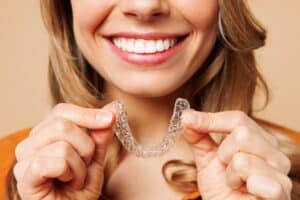
Ready for the smile you’ve always wanted — no metal, no hassle? Because you’re already part of our dental family, we’re offering you an exclusive

Ready for the smile you’ve always wanted — no metal, no hassle? Because you’re already part of our dental family, we’re offering you an exclusive
Of all the fields of medical science, mental health tends to be one of the most sorely neglected. Every year people who could sorely use proper treatment at the hands of a therapist are unable to receive it. How does this connect to oral health? Mental health concerns can touch every area of our lives, and that includes our oral health. Unmanaged mental health concerns tend to correlate strongly to failing health and neglect of dental hygiene. There is growing evidence that mental concerns can be impacted by uncontrolled periodontal disease through the spread of infection in the bloodstream.
Dental care is often one of the most underappreciated parts of our healthcare because caring for our teeth can help us prevent serious, harmful diseases that affect the lives of people each day. Periodontal disease continues to affect the lives of people every day not only by directly attacking the gums but also increasing the risk of other health issues later on in life. Our immune systems are complex systems, often affected by the illnesses and diseases we fight off constantly to maintain our health, but over time, the prevalence of diseases in our lives can contribute to other illnesses such as diabetes and cardiovascular diseases. However, cancer has now been linked with the occurrence of this disease.
If there’s one thing allergy sufferers know, it’s that sinus pressure can cause toothaches. Congestion of the sinus cavity can cause pain as severe as that of an abscess or cavity. We’re going to discuss how this happens and how to tell the difference between the two symptoms. We’ll also be discussing how this pain occurs and what steps your dentist may take if you go to an appointment with these issues.
One of the best things about cosmetic dentists is their various tools for reshaping a person’s smile back to pristine health. One of their tools involves correcting tooth form and shape by assessing the condition of a person’s mouth and then combining it with aesthetic methods to treat imperfections. If you find that your teeth are crooked, small, or mishappen in any way, cosmetic dentists can perform many treatments to help prepare your smile for a full-on makeover. But most of all, cosmetic dentists can treat dental problems such as cavities and gum disease by reshaping your teeth and improving tooth size.
Every dental office provides some method of controlling dental pain during your procedures, known as anesthetics. Anesthetics come in various forms, including pills, injectables, and gas, and are capable of providing meaningful pain relief as part of your treatment. Throughout the centuries, countless forms of anesthesia have been used as part of medical and dental care. Modern technology has led to effective methods that are refined and provide consistent results. We’re going to take a brief look at the history of anesthetics and their use in dental care.